
Dubai Property Payment Plans Explained: 20/80, 10/90 and Post-Handover in 2026
Introduction
One of the biggest advantages of buying property in Dubai is flexible developer payment plans. Instead of paying the full price upfront, off-plan buyers can spread costs across construction milestones and, in many 2026 launches, even after handover. Understanding how 20/80, 10/90, construction-linked, and post-handover plans work helps you protect cash flow, compare true cost, and choose a project that matches your investment timeline.

What Is a Dubai Property Payment Plan?
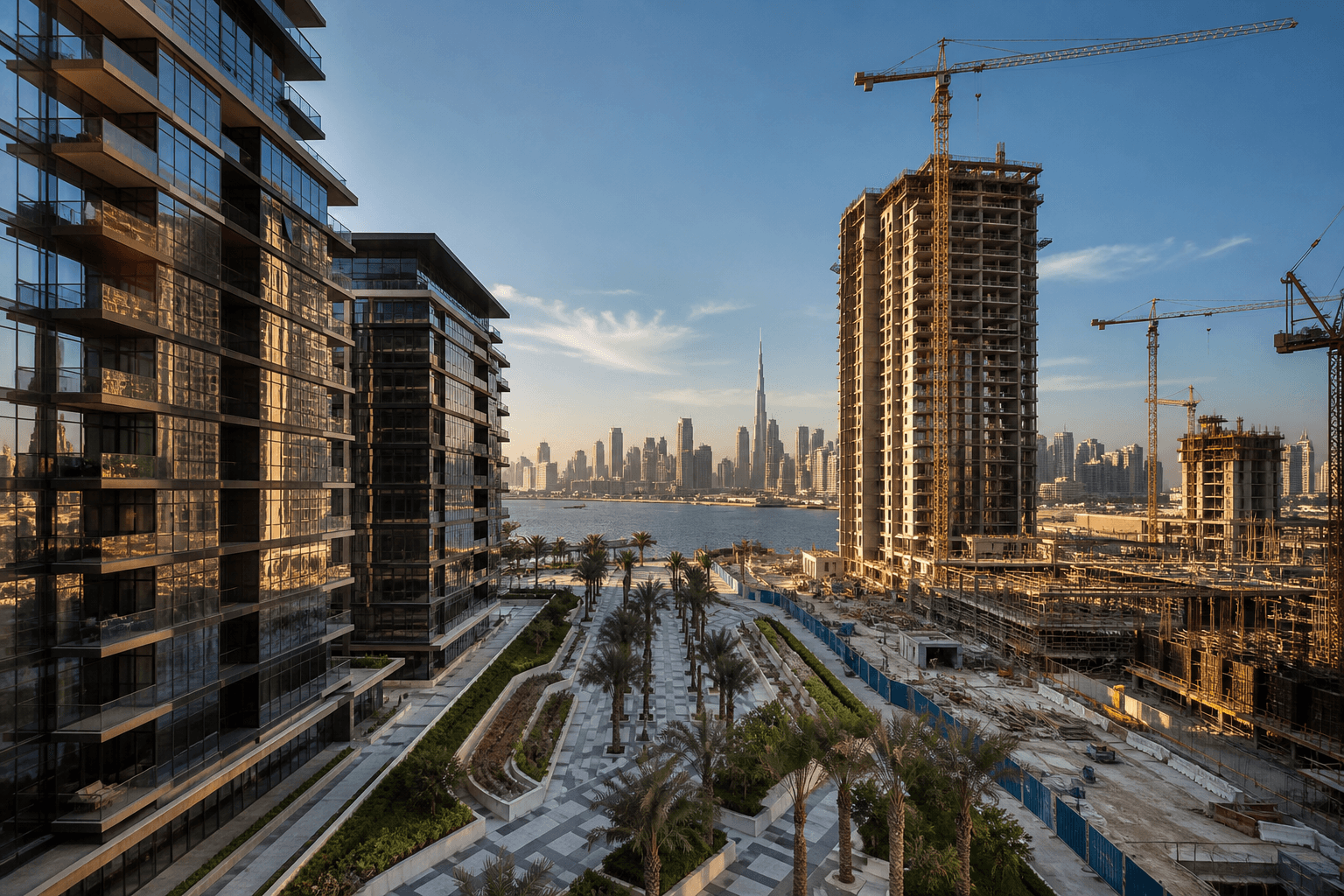
A payment plan is the schedule set by a developer for buying an off-plan or, in some cases, a ready unit. You typically pay a booking amount, then instalments linked to construction progress or calendar dates, and a final payment at or after handover. These plans make Dubai real estate more accessible for international investors who want to deploy capital in stages rather than in one cash purchase.
20/80 Payment Plans in Dubai
A 20/80 plan usually means around 20% is paid during construction and 80% is due at handover. It is popular with investors who want to keep more cash available while the project is being built. The trade-off is a large completion payment, so you must plan mortgage approval, liquidity, or resale timing well before handover.
Best for:
- Buyers who want a lower cash outlay during construction
- Investors expecting capital growth by handover
- Purchasers who can arrange 80% funding at completion
10/90 and Construction-Linked Plans
A 10/90 structure is even more back-loaded: a smaller booking amount during the build and most of the price at handover. Construction-linked plans, by contrast, spread payments across milestones such as foundation, structure, and finishing. Construction-linked schedules can feel more balanced, but you should still map every instalment against your income and currency transfers.
Questions to ask before you sign:
- What exact percentage is due at booking, SPA, and each milestone?
- Is the remaining balance due on handover or 12–36 months after?
- Are late-payment penalties and grace periods clearly stated?
- Does the SPA allow assignment or resale before handover?
Post-Handover Payment Plans
Post-handover plans let you continue paying after you receive the keys, sometimes over one to five years. They can be attractive for end-users and investors who want rental income to help cover remaining instalments. Always calculate whether rent after service charges can realistically support the leftover balance, and confirm whether the title deed is issued only after full payment.
DLD Fees, Oqood, and Hidden Costs
Payment plans do not replace Dubai Land Department costs. Budget for DLD transfer or Oqood registration, agency commission where applicable, admin fees, and future service charges. A low booking percentage can look attractive until you add 4% DLD on many transfers, plus VAT on some developer charges. Compare the full cash requirement, not only the advertised split.
Typical extra costs to model:
- Dubai Land Department registration or Oqood fees
- Developer admin and NOC charges near handover
- Agency fees if you buy through a broker
- Furnishing, snagging, and first-year service charges
Risks Investors Should Not Ignore
Flexible plans do not remove project risk. Delays can stretch your holding period. A large handover balloon payment can force a rushed mortgage or discounted resale. Choose developers with a delivery record, escrow-protected payments, and a location with proven rental demand. If the plan looks unusually easy, read the SPA for default clauses, delay compensation, and variation rights.
How to Choose the Right Plan in 2026
Match the plan to your goal. Income investors often prefer ready or near-handover units with smaller remaining balances. Growth investors may accept 20/80 or 10/90 if the developer, community, and exit liquidity are strong. Red Estate advisors help compare payment schedules against rental yield, Golden Visa eligibility, and your cash-flow timeline so the structure supports the asset, not the other way around.
Conclusion
Dubai payment plans are a powerful way to enter the market with staged capital, but the advertised split is only the starting point. In 2026, the best deal is the one you can fund through every milestone, after DLD fees and service charges, with a developer who can actually deliver. Read the SPA, stress-test the handover payment, and buy the location first.
Key Tips for Investors
- Ask for the full payment schedule in writing before paying a deposit
- Model DLD fees and service charges into your total cash need
- Confirm escrow protection and developer handover history
- Do not rely on resale profits to cover an 80% or 90% handover balance
Article FAQs
Learn how Dubai off-plan payment plans work in 2026, including 20/80, 10/90, construction-linked, and post-handover options, plus DLD fees, risks, and investor tips.