
Dubai Property Handover and Snagging Guide: What to Check Before You Accept the Keys
Introduction
Handover is the moment your off-plan purchase becomes a real home, and it is also the best time to find problems. Once you accept the unit and move in, proving that a defect was there from the start gets harder. A careful snagging inspection costs a few hours and can save thousands of dirhams. This 2026 guide explains how Dubai handover usually works, what to inspect room by room, and what to do after you have the keys.

How Handover Usually Works
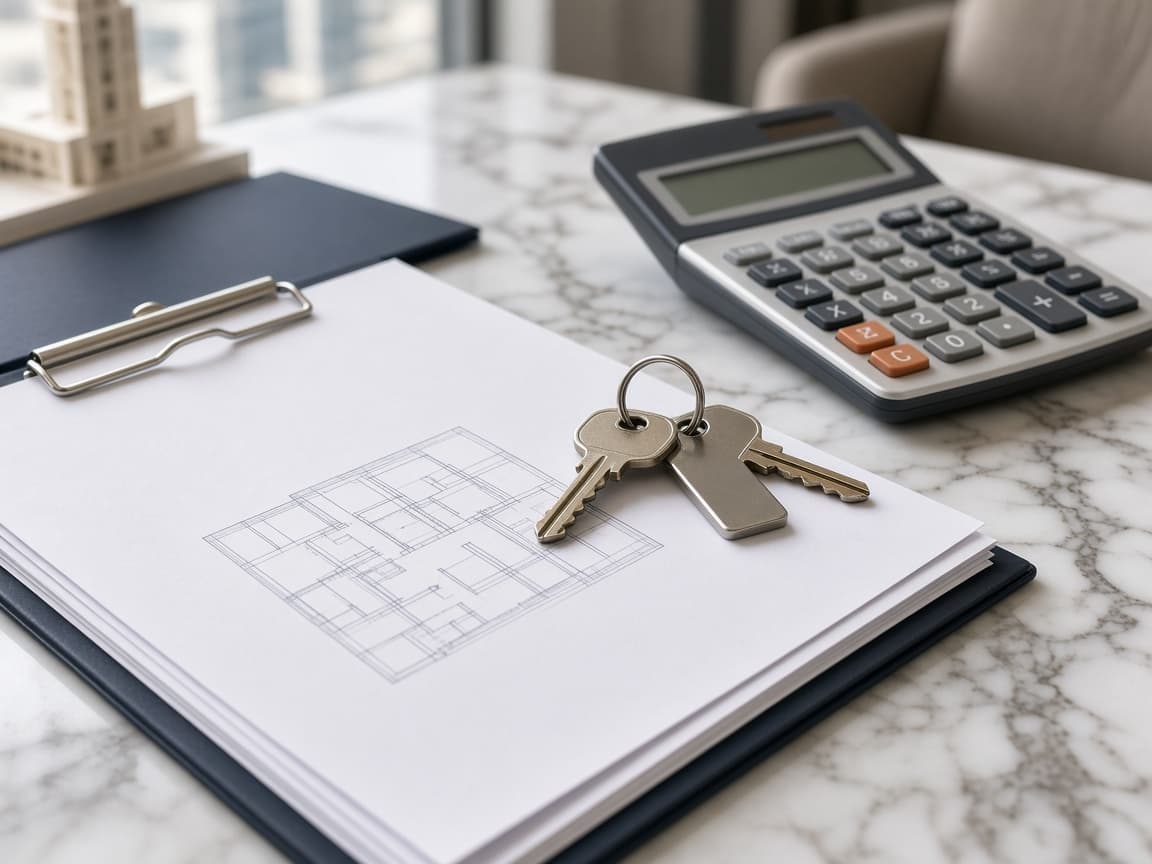
When construction is complete, the developer notifies you that the unit is ready. You are normally asked to settle the final instalment and any fees, then to inspect the unit and accept it. Exact steps and timelines differ between developers, so read the handover section of your sale and purchase agreement and the handover notice carefully before you act.
Before You Inspect: Paperwork First
Handover goes more smoothly when your documents are in order. Check your statement of account against the payment plan, confirm any service charges that are due, and compare the unit's final area with the area stated in your contract. Many agreements allow a small variation, so check what yours says and how an adjustment is calculated.
Have these ready:
- Your sale and purchase agreement and payment receipts
- The developer's handover notice and statement of account
- A copy of the floor plan and specification list
- ID, and a power of attorney if someone attends for you
What Is Snagging?
Snagging is a detailed inspection that lists every defect or unfinished item in the unit, from a chipped tile to a leaking pipe. You can do it yourself with a checklist, or hire a professional snagging company, which brings moisture meters and cameras and often finds issues owners miss. Do it before you accept the keys, when the developer is most motivated to fix things.
Room-by-Room Snagging Checklist
Take photos and notes of everything, and number each item so it can be tracked. Inspect in daylight and again with the lights on, and test everything rather than just looking at it.
Check carefully:
- Doors, windows, locks, and balcony doors open, close, and seal properly
- Walls, ceilings, and paint for cracks, stains, and uneven finishing
- Floors and tiles for chips, hollow sounds, and uneven grouting
- All taps, showers, toilets, and drains: run water and look for leaks and slow drainage
- Every socket, switch, and light, plus the distribution board
- Air conditioning: cooling, noise, and condensate drainage
- Kitchen units, wardrobes, and fitted appliances, including hinges and drawers
- Balcony waterproofing and drainage, intercom, and smoke detectors
Your Rights: Defects and Liability
Your contract normally sets a defect liability period during which the developer must repair defects at its own cost, and the length depends on the agreement. Separately, UAE law generally holds the contractor and architect responsible for serious structural defects for a long period, commonly cited as ten years. Confirm the exact terms in your contract and keep a written record of every defect you report.
Should You Accept the Unit With Defects?
Do not sign anything that says the unit is accepted without issues if you have found snags. Submit your defect list in writing, ask for a timeline for repairs, and keep copies. Minor items are normally fixed after handover, while serious problems should be resolved before you accept. If a dispute develops, take advice early and follow the process set out in your agreement.
After You Get the Keys
Once you accept the unit, finish the registration and set up the practical side. Your title deed is issued through the Dubai Land Department after the sale is registered. Connect utilities, arrange home insurance, and register with the owners association so that service charges are billed to the right person. If you plan to rent it out, you will also need a tenancy contract registered through Ejari.
If you are buying a ready unit on the resale market, inspect it before you sign the transfer, because any defects become yours at completion.
Conclusion
A good handover is a prepared handover. Have your paperwork ready, inspect every room with a checklist, record each defect in writing, and do not accept the unit until the serious issues are dealt with. A thorough snagging round protects both your investment and your peace of mind in the first year of ownership.
Key Tips for Investors
- Book the handover inspection for daylight hours and allow at least two hours
- Consider a professional snagging company for larger units and villas
- Report defects in writing and keep dated photos
- Do not sign an unconditional acceptance if snags are outstanding
Article FAQs
Your Dubai off-plan unit is ready. Before you accept the keys, use this snagging checklist to spot defects, protect your rights, and complete handover step by step.