How to Choose a Dubai Developer: A 7-Point Buyer Checklist for 2026
Introduction
In Dubai, especially off-plan, you often pay for years before you receive the keys. That makes the developer the single most important choice in your purchase, more important than the brochure, the render, or a launch discount. Strong developers deliver on time, build to a standard that holds its value, and manage communities well after handover. Weak ones leave buyers with delays, disputes, and units that are hard to resell. This 2026 checklist shows what to verify before you commit.

1. Confirm RERA Registration and Project Approvals
Developers selling in Dubai should be registered with the Real Estate Regulatory Agency (RERA), and off-plan projects should be registered with the Dubai Land Department. Marketing material for a project normally carries an advertising permit number as well. If a salesperson cannot give you these details, or they do not match the official records, stop and ask why.
Ask for and verify:
- The developer's registration details
- The project's registration number with Dubai Land Department
- The advertising permit number shown on the listing or brochure
- The name of the project escrow account and its bank
2. Follow the Money: Escrow Protection
For registered off-plan projects, buyer instalments are meant to be paid into a project-specific escrow account that is regulated, with funds released against certified construction progress. Pay only into the account named in your sales contract. Never send a deposit to an agent's personal account or a general company account, even if the price looks attractive.
3. Check the Delivery Track Record
A glossy launch means little if the developer's last projects handed over late. Compare the promised handover date of earlier projects with the date residents actually received their units. A short delay is common in construction; repeated long delays are a warning sign. Ask the developer which projects are currently under construction, because a company stretched across many launches can struggle to deliver all of them on time.
4. Visit Finished Projects, Not Only the Sales Gallery
The show apartment is built to impress. A project the developer finished two or three years ago shows the real standard. Walk the lobby, corridors, lifts, car park, and pool area, and notice leaks, cracked finishes, and how well the building is maintained. If you can, speak to residents or the building manager about how quickly defects are fixed.
5. Look at Financial Strength and Capacity
Strong developers usually have a backing group, a long operating history, and a pipeline they can fund. A newer developer is not automatically a bad choice, but it deserves more caution and a closer look at who owns it, what it has already delivered, and how the escrow arrangement protects you. Prefer a smaller, steady developer that delivers over a large launch that does not.
6. Study Resale and Rental Performance of Earlier Projects
Your exit matters as much as your entry. Look at how units in the developer's earlier projects trade compared with their launch prices, how long they take to sell, and what they rent for. Strong demand for a developer's resale and rental units is one of the best indicators that its next project will hold value.
7. Read the Contract Before the Payment Plan
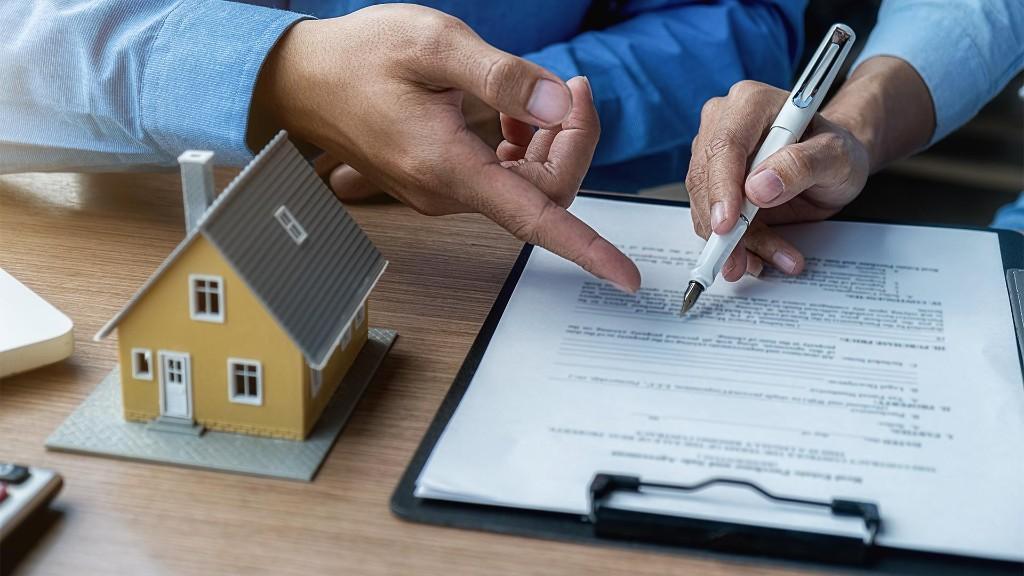
A friendly payment plan can hide an unfavourable agreement. Read the sale and purchase agreement for the handover date and any grace period, compensation if the developer is late, rules on area changes and specification changes, what happens if you cannot pay an instalment, and how the contract is registered. Ask a lawyer or an experienced adviser to review anything you do not understand before you sign.
Red Flags to Walk Away From
Pressure to pay today, a deposit requested into a non-escrow account, unwillingness to share registration numbers, returns that sound guaranteed, and a price far below similar projects are all reasons to pause. A good developer and a good agent are comfortable with questions.
Pause the purchase if you see:
- Missing or unverifiable registration and permit numbers
- Requests to pay outside the project escrow account
- Guaranteed returns or pressure to reserve immediately
- No visible record of previous deliveries
Conclusion
Choosing the right developer protects you from the biggest risks in Dubai real estate: delays, unfinished projects, and units that are difficult to sell. Check the registration, follow the escrow, study the delivery record, visit finished buildings, and read the contract carefully. Do this once and every later decision, from the payment plan to the unit, becomes easier.
Key Tips for Investors
- Verify the developer and project registration before paying any deposit
- Pay only into the project escrow account named in your contract
- Visit a completed project, not only the sales gallery
- Compare promised and actual handover dates on past launches
Article FAQs
Before you pay a deposit, check the developer. A 7-point checklist covering RERA registration, escrow, delivery record, build quality, finances, resale performance, and the contract.